

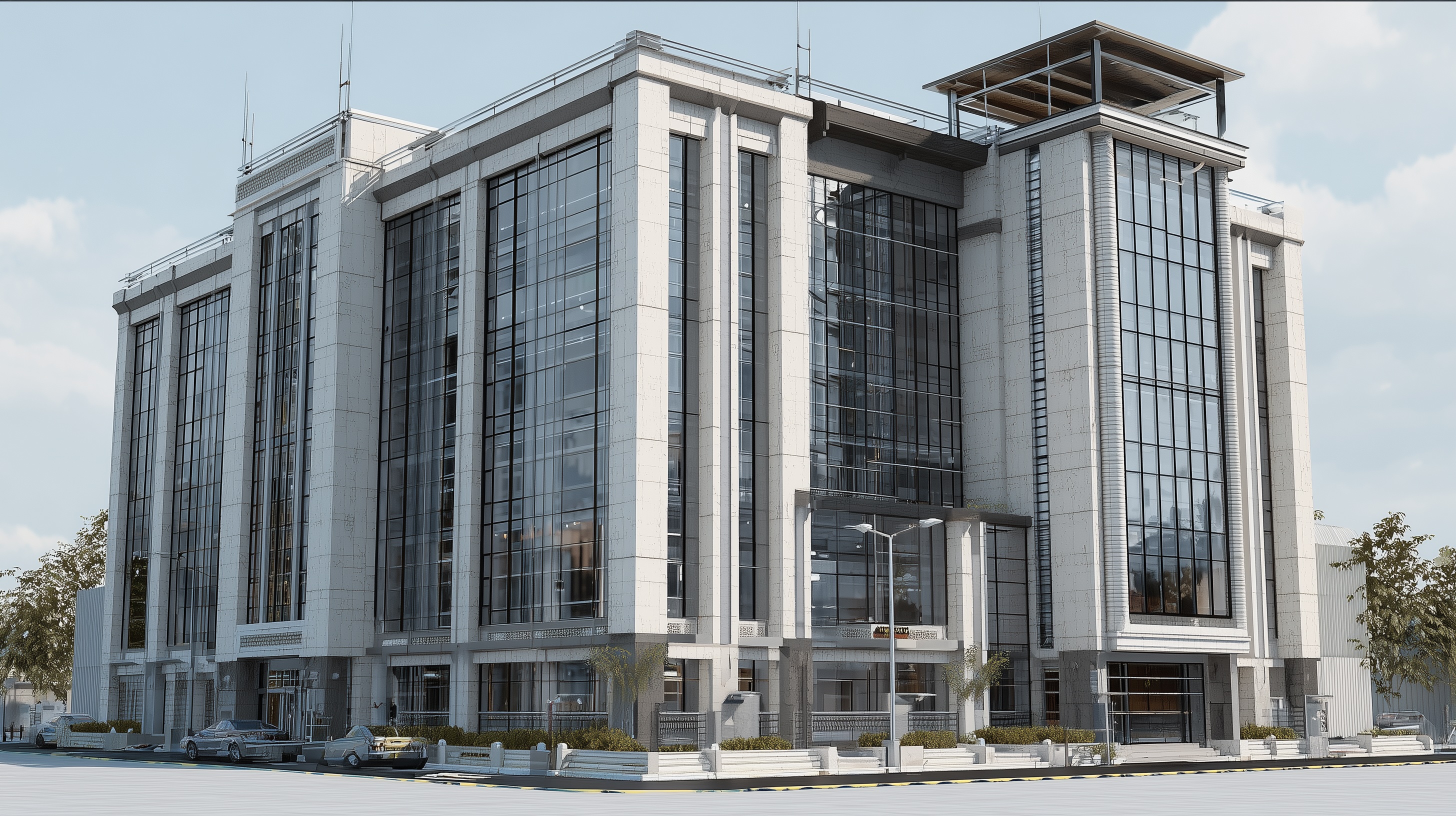
Commercial Construction Timelines Explained

Westgate Koenig
Are you looking for a partner to efficiently guide you through the complexities of a capital project? Would you like to drive collaboration and establish strong working partnerships across the entire project team? Are you seeking accurate, unbiased cost clarity and improved risk mitigation?
SHARE THIS ARTICLE


Published on:
February 23, 2026
Commercial Construction Timelines Explained
By a Senior Project Manager at Westgate Koenig
In commercial construction, timelines are more than schedules — they are strategic frameworks that protect budget, reputation, funding, and public trust.
At Westgate, we primarily work with institutional, municipal, and private commercial clients across British Columbia. Many projects are publicly funded, subject to regulatory approvals, and involve multiple consultants, agencies, and stakeholders.
From the outside, a project may look like it simply “starts construction.” In reality, that moment represents months — sometimes years — of coordinated planning.
Here’s what a commercial construction timeline actually looks like, from a Senior Project Manager’s perspective.
1. Pre-Construction: Where Timelines Are Truly Built
Pre-construction is the most misunderstood phase — and the most important.
This is where we define:
- Scope clarity
- Budget validation
- Schedule feasibility
- Procurement strategy
- Risk allocation
For institutional and municipal projects in BC, this phase often includes:
- Early consultant coordination (architectural, structural, mechanical, electrical, civil)
- Seismic and regulatory review
- Municipal permitting pathways
- Long-lead procurement planning
- Phasing strategy for occupied or operational facilities
- Value engineering and constructability reviews
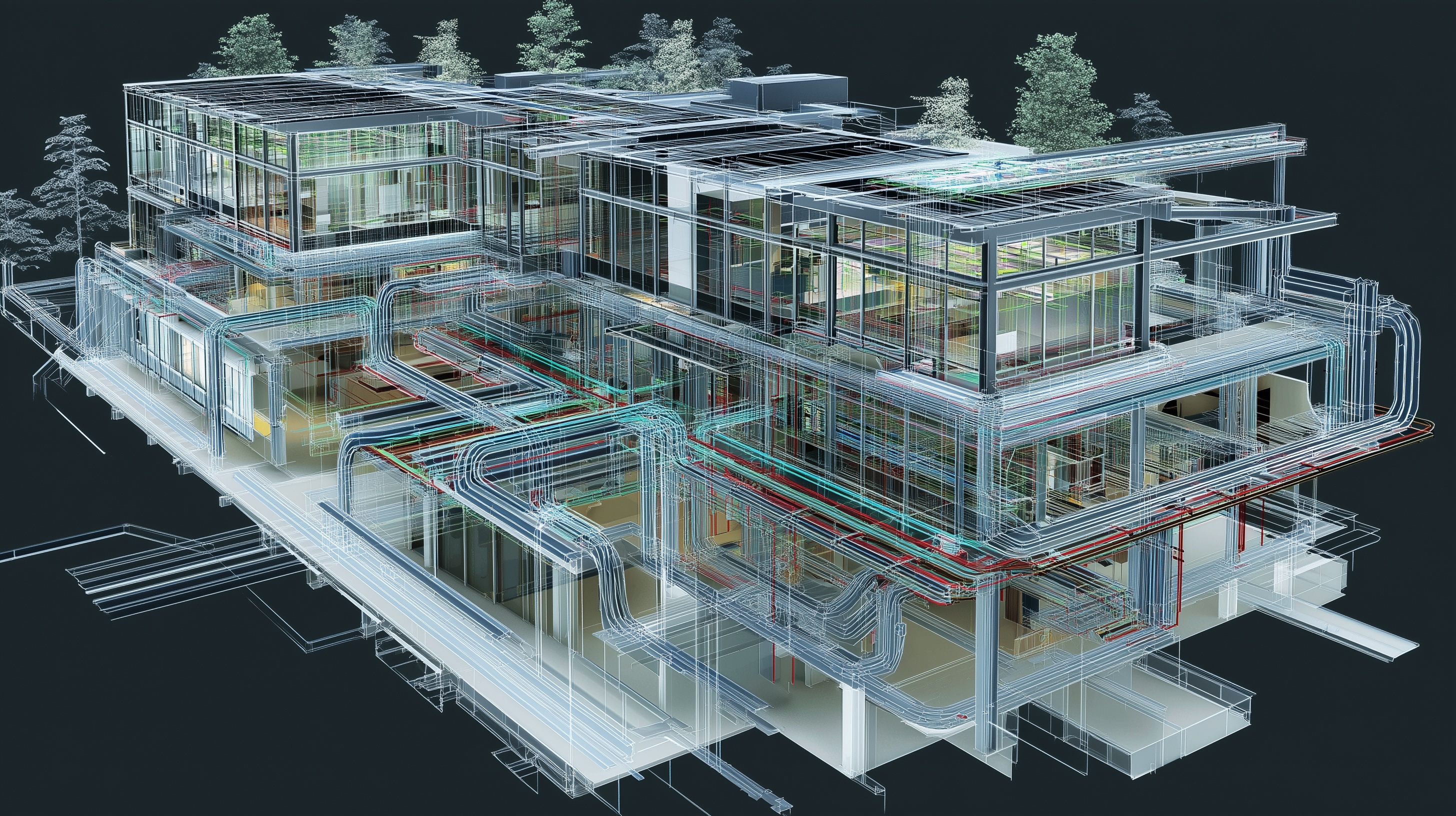
- BIM coordination and clash detection
A well-executed pre-construction phase reduces schedule volatility during construction by addressing conflicts before they reach site.
Typical Duration:
3–9 months depending on project complexity, funding approvals, and permitting timelines.
2. Design Development & Regulatory Approvals
In British Columbia, regulatory timelines significantly influence commercial schedules.
Depending on the project, approvals may involve:
- Municipal planning departments
- Development permits
- Building permits
- Environmental reviews
- Accessibility compliance
- Energy performance requirements
- Seismic design verification
For publicly funded projects, additional reporting and oversight layers may apply.
This phase often runs concurrently with detailed design, but approval durations are rarely entirely within the project team’s control. A proactive approach — early submission, complete documentation, consultant coordination — reduces delays.
Typical Duration:
3–8 months (varies significantly by municipality and project type)
3. Procurement & Trade Mobilization
Commercial projects depend on supply chain timing.
Critical path items frequently include:
- Structural steel
- Mechanical equipment (RTUs, boilers, chillers)
- Electrical switchgear
- Elevators
- Curtain wall systems
- Custom millwork
Procurement strategy begins during pre-construction. Long-lead items are identified and often released early to protect the schedule.
On public projects, tendering processes must follow formal procurement policies, which adds structure — and time — to trade award.
Typical Duration:
1–4 months (often overlapping with permitting)
4. Active Construction: Controlled Execution
This is the visible phase — but by this point, the schedule is already largely determined by earlier decisions.
Construction typically follows this sequence:
- Site preparation and excavation
- Foundations and structural systems
- Building envelope
- Mechanical, electrical, and plumbing rough-ins
- Interior framing and finishes
- Commissioning and systems testing
For institutional or municipal projects, quality control and inspection protocols are rigorous. Inspections are coordinated throughout the build, not just at completion.
A strong project management structure focuses on:
- Weekly trade coordination meetings
- Updated critical path tracking
- RFI and submittal management
- Budget monitoring
- Safety compliance
- Transparent owner reporting
Typical Duration:
6–18 months depending on building size and complexity
5. Commissioning & Turnover
Commercial construction does not end at substantial completion.
Institutional and municipal buildings require:
- Mechanical and electrical commissioning
- Life safety system verification
- Documentation and O&M manuals
- Warranty tracking
- Staff training
- Final inspections and occupancy approval
Commissioning ensures the building performs as designed — particularly critical in healthcare, educational, and public facilities.
Typical Duration:
1–3 months depending on system complexity
What Actually Impacts Commercial Timelines?
From experience, the largest influences on commercial timelines are:
1. Scope Changes Mid-Stream
Late design decisions ripple through procurement and construction.
2. Regulatory Delays
Incomplete submissions or evolving municipal requirements extend approvals.
3. Supply Chain Disruptions
Long-lead materials require early identification.
4. Stakeholder Complexity
Institutional projects often involve multiple decision-makers.
5. Occupied Site Conditions
Renovating operational facilities requires phased sequencing.
How Westgate Koenig Manages Schedule Risk
Our approach is rooted in structure, not reaction.
We prioritize:
- Early contractor involvement
- Detailed pre-construction planning
- BIM coordination to reduce rework
- Transparent milestone reporting
- Proactive procurement strategies
- Contingency planning built into the schedule
Commercial timelines are not shortened by pushing harder onsite.
They are protected by thinking earlier.
A Realistic View of Commercial Timelines
A mid-size institutional or municipal building in BC often follows this general range:
PhaseTypical DurationPre-Construction & Design6–12 monthsPermitting & Procurement3–8 months (overlapping)Construction8–18 monthsCommissioning1–3 months
Total project lifecycle: 18–36 months
Every project is unique, but transparency around timelines builds trust — particularly in public and institutional environments where accountability matters.
Final Perspective from a Senior Project Manager
Commercial construction is not fast by accident.
It is structured by necessity.
When timelines are explained clearly — and built intentionally — they become a tool for confidence rather than a source of stress.
At Westgate Koenig, we see schedule management not as a constraint, but as a responsibility.
Because in commercial construction, time isn’t just money.
It’s public trust.
About Westgate
At Westgate, our team of construction professionals, distinguished by Canada's prestigious Gold Seal certification - the highest national benchmark for construction management excellence - brings together the best of two nations.


Popular Blogs & Projects
Contact Us
Let’s successfully turn your vision into reality.

Our Services
Pre-Construction
Project Controls
Design-Build Services
General Contracting
Construction Management
Service Division
Stay up to date with westgate
Subscribe to Our Newsletter
At Westgate Koenig, we don't just build structures – we build lasting partnerships. Our commitment to quality, innovation, and client satisfaction drives every decision we make. From initial concept to final handover, experience the difference of working with a commercial construction partner who truly understands your vision.


200-100 Park Royal
West Vancouver, V7T 1A2
5900 Balcones Drive STE 100
Austin, Travis County
TX 78731 USA
Fort Worth
Dallas
San Antonio
Okanagan, BC
Vancouver
Seattle
Tri-Cities, Washington
Whitehorse, Yukon
Copyright © 2025 Westgate Koenig | Privacy Policy