

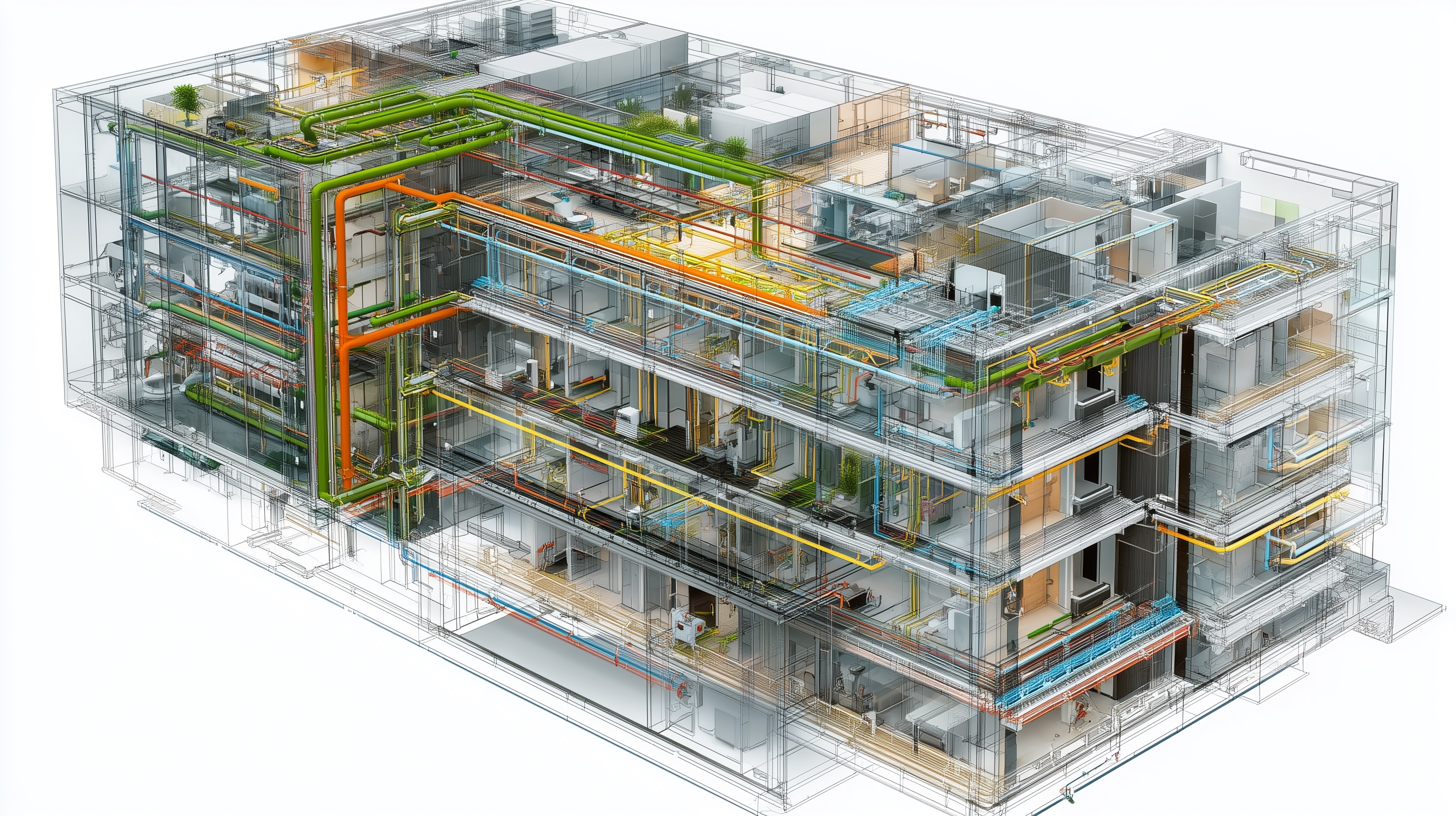
Why BIM Modeling Is Redefining Control in Commercial Construction

Westgate Koenig
Are you looking for a partner to efficiently guide you through the complexities of a capital project? Would you like to drive collaboration and establish strong working partnerships across the entire project team? Are you seeking accurate, unbiased cost clarity and improved risk mitigation?
SHARE THIS ARTICLE


Published on:
December 11, 2025
Why BIM Modeling Is Redefining Control in Commercial Construction
In commercial construction, control is everything — and control begins long before concrete is poured.
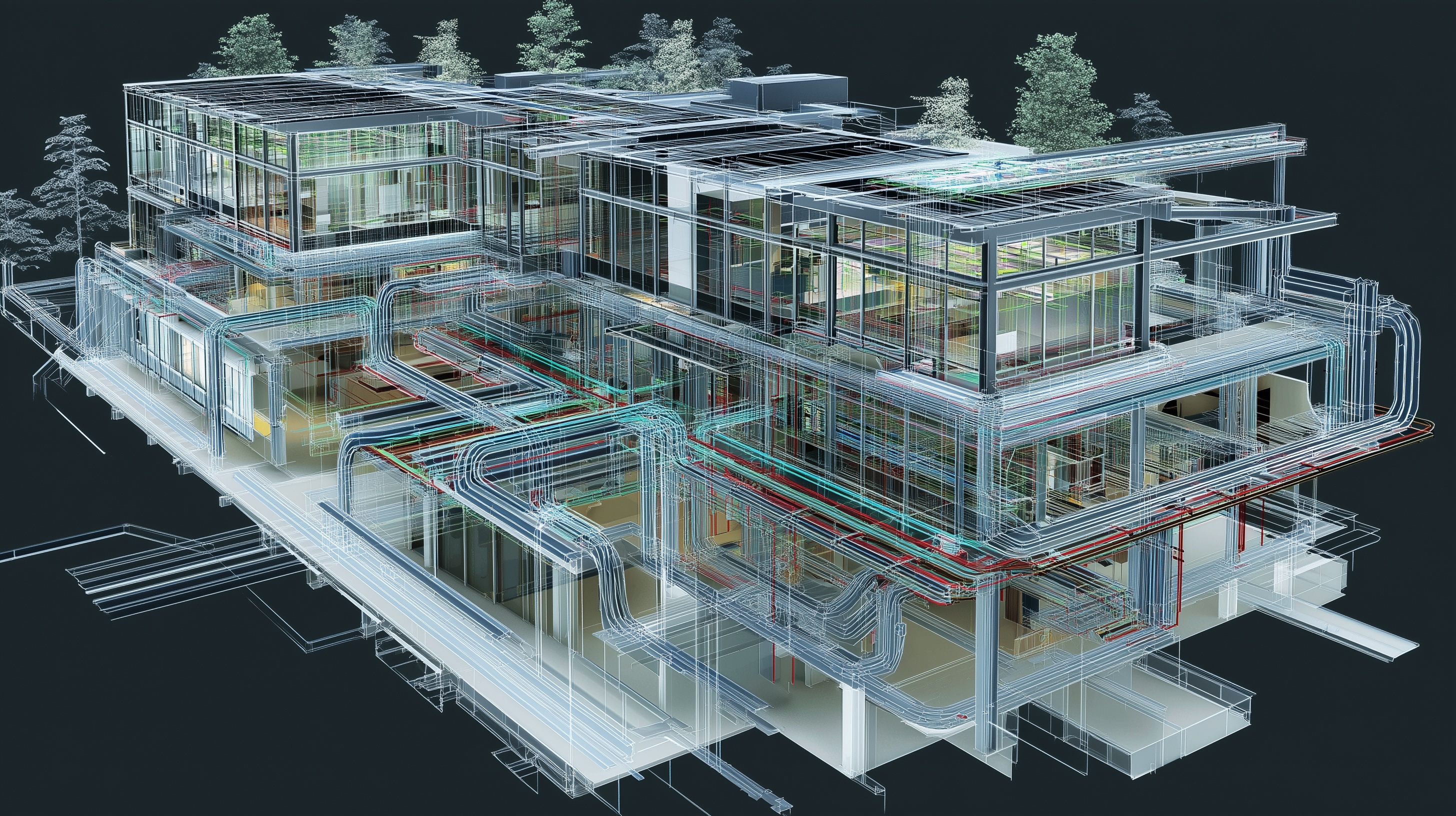
Building Information Modeling (BIM) redefines how projects are planned, coordinated, and executed.
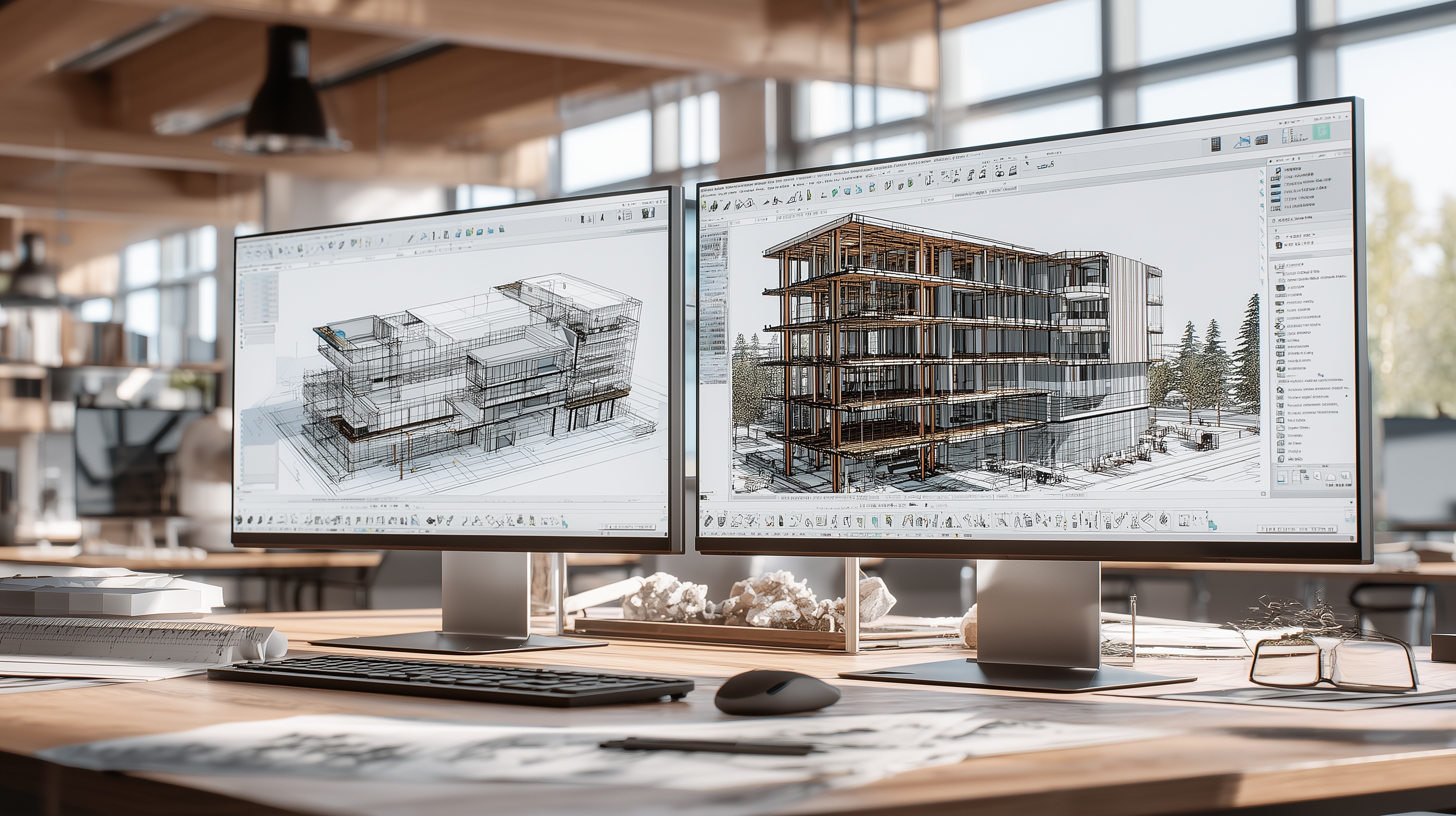
It’s not a 3D visualization tool. It’s a live system of data that governs design, budget, and buildability.
For firms that implement it correctly, BIM turns uncertainty into measurable precision.
For those that don’t, inefficiency remains invisible until it’s too late.
1. From Drawings to Data
Traditional design relies on drawings — static documents that leave room for interpretation.
BIM replaces interpretation with integration.
Every wall, beam, conduit, and fixture exists within a shared model containing geometry, specifications, and cost data.
When architectural, structural, and mechanical models overlap, conflicts aren’t discovered on site.
They’re eliminated in the model — before they cost money.
2. Coordination Without Friction
Every discipline in a project interacts inside the BIM environment.
That means architects, engineers, and builders operate from a single verified truth, not competing drawings.
The result is clash detection before construction, real-time coordination, and data continuity that carries from design to procurement.
This is not collaboration for its own sake — it’s measurable risk reduction.
3. Predictability in Cost and Schedule
Because BIM models integrate with scheduling and cost systems, every design decision carries financial and temporal implications.
Adjust a wall type, and the cost updates instantly.
Shift a sequence, and the schedule recalibrates.
This is where Westgate Koenig’s process outperforms conventional builders:
we don’t build from drawings — we build from information.
That distinction defines predictability.
4. Verification in the Field
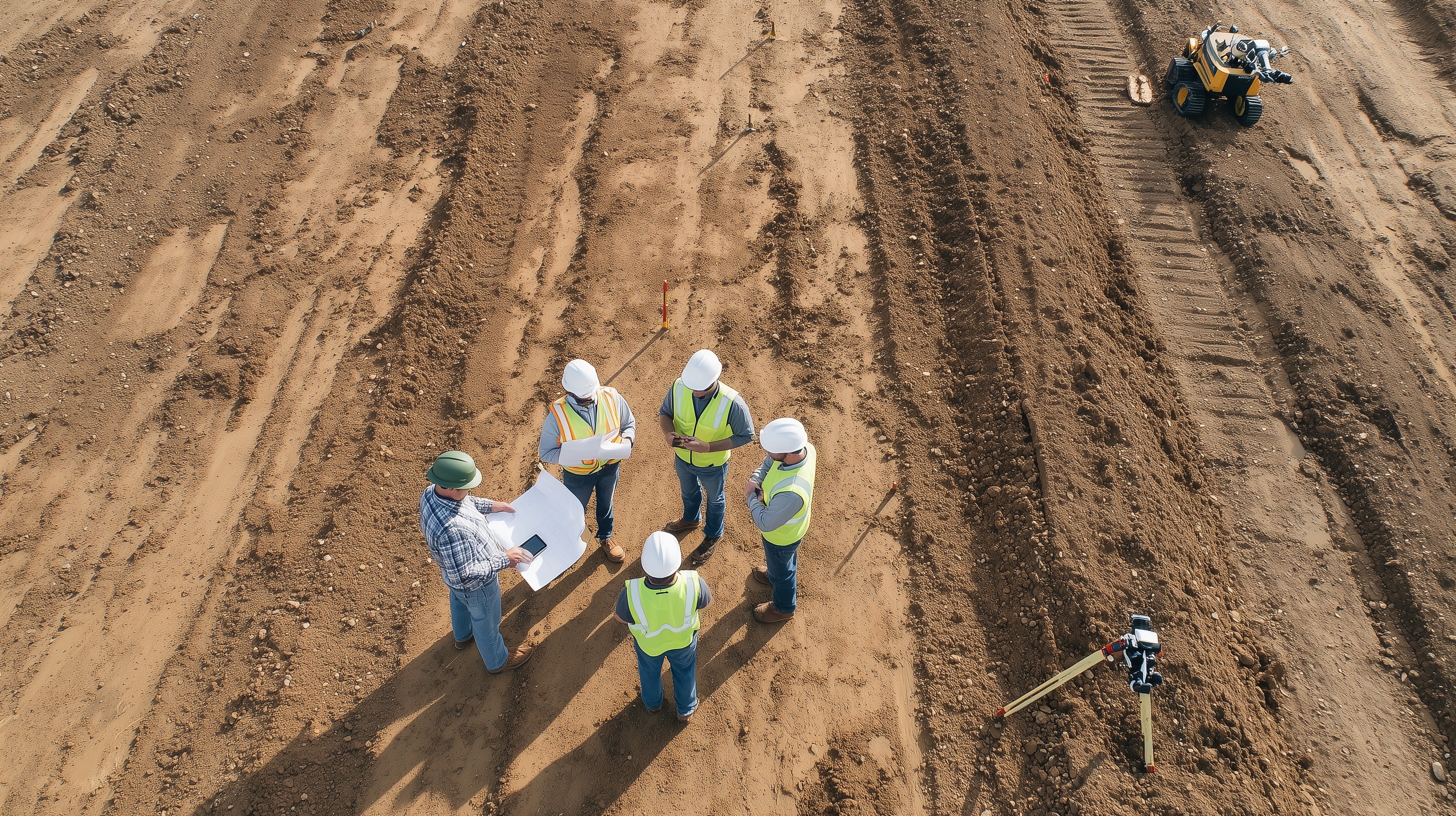
When the model reaches site, it becomes the foundation for layout, quality assurance, and as-built validation.
Through digital coordination, field teams verify installation against the model in real time.
Deviations are identified instantly, not weeks later in a progress report.
The model becomes the single source of accountability.
No disputes, no ambiguity — only data.
5. The Shift From Design to Control
BIM isn’t about design sophistication.
It’s about control — of communication, coordination, and capital.
When integrated across the project lifecycle, it eliminates guesswork and isolates risk.
For clients, that means cost certainty, schedule accuracy, and operational clarity long after turnover.
For us, it means precision at every layer.
The Westgate Koenig Standard
At Westgate, BIM is not an option — it’s infrastructure.
Our modeling process integrates architecture, engineering, and construction into a single operational framework.
We don’t visualize buildings.
We simulate performance.
Every detail is coordinated, quantified, and verified — before it reaches site.
That’s control. That’s BIM.
About Westgate
At Westgate, our team of construction professionals, distinguished by Canada's prestigious Gold Seal certification - the highest national benchmark for construction management excellence - brings together the best of two nations.


Popular Blogs & Projects

Contact Us
Let’s successfully turn your vision into reality.

Our Services
Pre-Construction
Project Controls
Design-Build Services
General Contracting
Construction Management
Service Division
Stay up to date with westgate
Subscribe to Our Newsletter
At Westgate Koenig, we don't just build structures – we build lasting partnerships. Our commitment to quality, innovation, and client satisfaction drives every decision we make. From initial concept to final handover, experience the difference of working with a commercial construction partner who truly understands your vision.


200-100 Park Royal
West Vancouver, V7T 1A2
5900 Balcones Drive STE 100
Austin, Travis County
TX 78731 USA
Fort Worth
Dallas
San Antonio
Okanagan, BC
Vancouver
Seattle
Tri-Cities, Washington
Whitehorse, Yukon
Copyright © 2025 Westgate Koenig | Privacy Policy